
Knee Pain Is Not Inevitable — Even If You’ve Been Told It Is

A Whole-Body Perspective on Knee Pain with Dr. Amy Konvalin
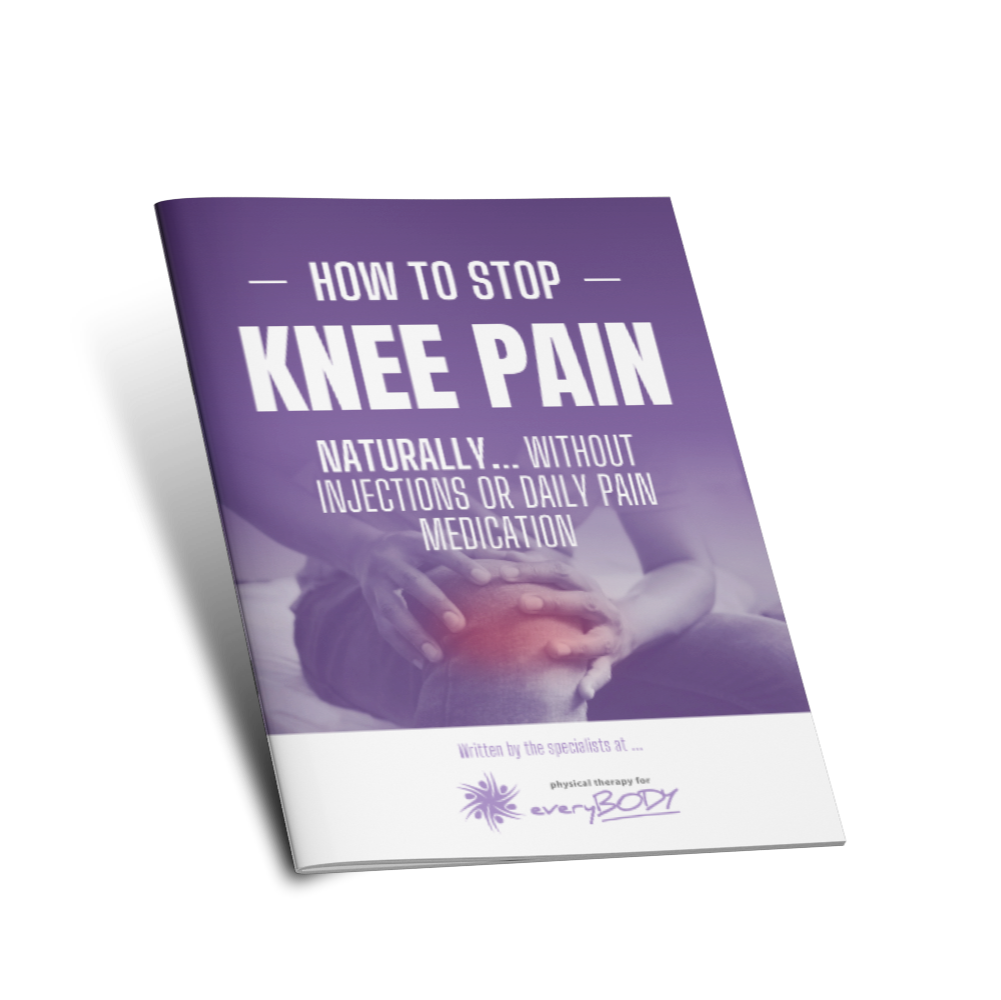
When Knee Pain Starts Limiting Your Life
Knee pain has a way of quietly taking over.
At first, it may show up when climbing stairs, squatting, or getting up from the floor. Over time, it can begin to interfere with walking, exercising, sleeping, and even simple daily tasks. Many people try to push through — until pushing through no longer works.
If you’ve seen providers, tried rest, taken medication, or even gone to physical therapy without answers, it’s easy to feel frustrated or dismissed. You may have been told arthritis is the problem — or that surgery is inevitable — without anyone fully explaining why your knee hurts in the first place.
If that sounds familiar, you’re not alone.

Why Knee Pain Is So Often Misunderstood
Knee pain is frequently treated as a problem isolated to the knee joint itself.
But the knee sits between two powerful systems — the hip above and the foot/ankle below. When those systems aren’t working efficiently, the knee often absorbs stress it was never designed to handle long-term.
Important realities many people are never told:
- Arthritis findings do not automatically explain pain
- Imaging does not always match symptoms
- Pain does not always mean damage
- Rest can calm pain briefly without resolving the cause
Without understanding how the knee fits into the larger movement system, treatment stays incomplete.
Why Knee Pain Often Keeps Coming Back
Recurring knee pain is rarely random.
Common patterns include:
- Pain that improves briefly, then returns
- Symptoms that change with activity or terrain
- Discomfort after sitting, kneeling, or squatting
- Exercises that help others but worsen your pain
These patterns usually reflect compensation — how your body has adapted to move around restrictions, weakness, or old injuries over time.
When compensation goes unrecognized, knee pain often becomes chronic.
Knee Pain Is a Whole-Body Issue
The knee does not function independently.
Its behavior is influenced by:
- Hip mobility and control
- Pelvic mechanics
- Ankle and foot movement
- Balance and coordination
- Nervous system regulation
- Prior injuries — even ones that seemed unrelated
When these systems don’t communicate well, the knee often becomes the “victim” of poor force distribution.
Treating the knee alone rarely solves the problem.
“I’ve Tried Physical Therapy Before — Why Didn’t It Help?”
This is a common and valid question.
Many people with knee pain have experienced:
- Protocol-based exercise programs
- Strengthening without movement assessment
- Pain-focused treatment instead of pattern-based care
- Temporary improvement that didn’t last
Knee pain is highly individual. Two people with the same diagnosis may have entirely different drivers of pain based on how their bodies move as a system.
This is why generic care so often misses the mark.
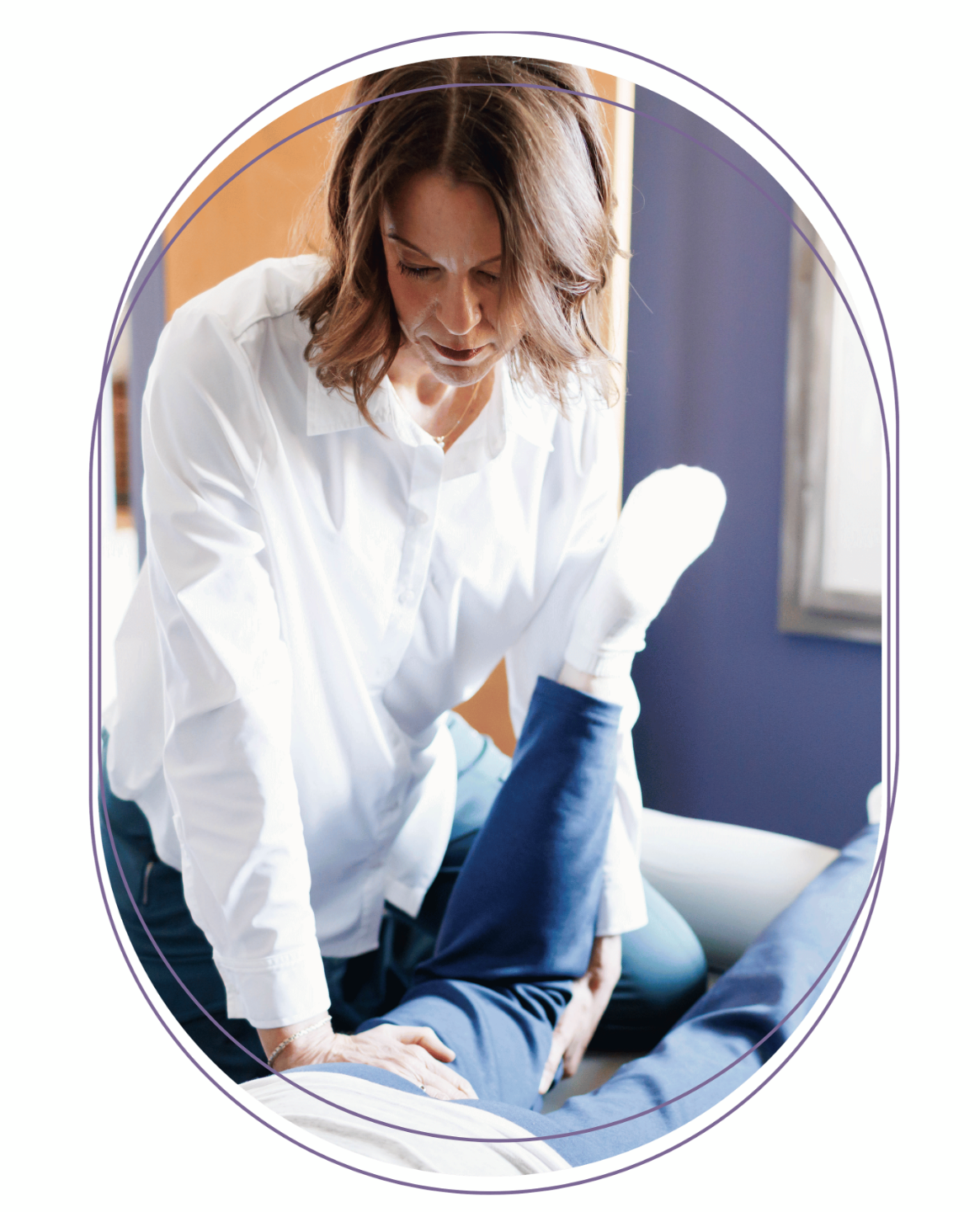
The Konvalin Method: Understanding the Root of Knee Pain
Dr. Amy Konvalin developed the Konvalin Method to address recurring, misunderstood pain — including knee pain that hasn’t responded to standard approaches.
This method focuses on:
- Identifying movement patterns that overload the knee
- Understanding how force travels through the body
- Connecting past injuries to present symptoms
- Treating the body as an integrated system, not isolated joints
The goal is clarity — not chasing symptoms.
Why Surgery and Injections Are Often Discussed Too Early
When knee pain lingers, many people are quickly told their options are limited.
This often happens when:
- Imaging findings are emphasized without movement context
- Pain is treated instead of mechanics
- The body’s ability to adapt is underestimated
While surgery is appropriate in some cases, many people are never given a full explanation of whether their pain is truly structural — or functional and pattern-driven.
That distinction changes everything.
A Final
A Final Thought on Knee Pain
Living with knee pain can be discouraging — especially when it limits movement, independence, and confidence.
But persistent knee pain is not a personal failure. And it is not something you simply have to accept.
When the body is evaluated as a connected system, patterns begin to make sense. And when patterns make sense, fear gives way to understanding.
Movement is life.
And understanding how your body moves is often the key to changing how it feels.
Work With Dr. Amy