
Pelvic Pain & Urinary Incontinence Are Not “Normal”

A Whole-Body, Pelvic Floor–Informed Perspective with Dr. Amy Konvalin
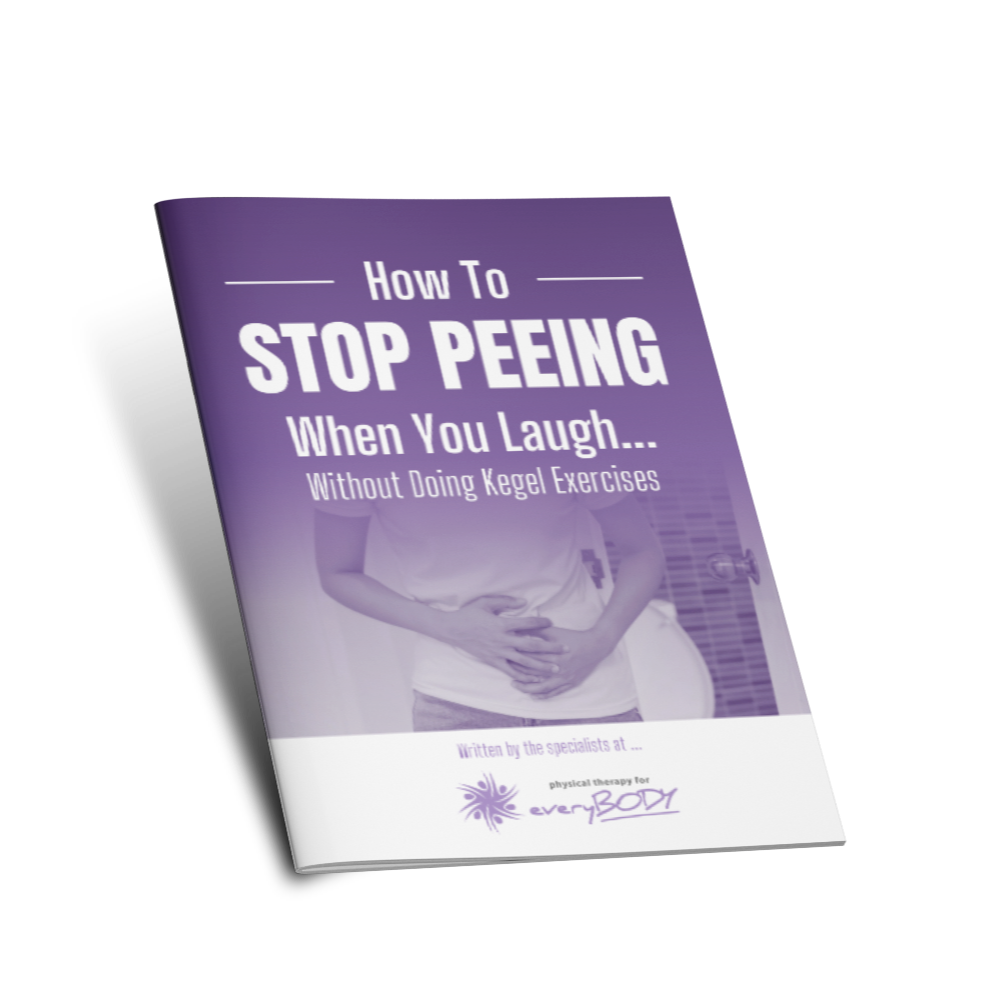
When Pelvic Symptoms Quietly Take Over Your Life
Pelvic pain and urinary incontinence have a way of slowly shrinking your world.
At first, it might be a small leak when you laugh, cough, or jump. Or discomfort with intimacy that you assume will pass. Over time, you may notice yourself avoiding certain exercises, planning outings around bathrooms, or feeling anxious about activities that used to bring joy.
Pelvic pain can be even more isolating. Many people quietly change positions, avoid intimacy, or pull away from connection altogether — hoping the problem will resolve on its own, or unsure of who to talk to about something so personal.
If this sounds familiar, you are not alone. And more importantly — your body is not broken.

What Pelvic Pain and Urinary Incontinence Actually Mean
Pelvic pain and urinary leakage are not diagnoses. They are signals.
They reflect how the pelvic floor, hips, spine, nervous system, and breathing system are working together — or struggling to.
Important truths that are often missed:
- Leakage does not automatically mean weakness
- Pelvic pain is not “in your head”
- Pain with intimacy is not something you have to tolerate
- Childbirth, aging, and menopause change the body — but they do not doom it
When symptoms are treated in isolation, the deeper story is often missed.
Why So Many People Are Told This Is “Just Normal”
Pelvic floor symptoms are incredibly common — but common does not mean normal.
Many women are told:
- “That’s just what happens after kids.”
- “It’s part of getting older.”
- “Do your Kegels and live with it.”
- “Avoid impact exercise.”
These messages lead people to:
- Stop running or jumping
- Withdraw from intimacy
- Accept leakage as inevitable
- Feel embarrassed or defeated
The pelvic floor is living tissue. Like the rest of the body, it responds to how it is loaded, coordinated, and integrated into movement.
Pelvic Pain, Incontinence, and the Whole Body
The pelvic floor does not work alone.
Its function is influenced by:
- Hip mobility and control
- Spinal movement and posture
- Breathing mechanics
- Abdominal wall coordination
- Nervous system regulation
- Past injuries or surgeries
This is why two people with similar symptoms may need completely different approaches — and why symptom-based advice often fails.
Understanding pelvic symptoms requires understanding the entire system.
Why Kegels Are Often the Wrong Answer
One of the most persistent myths in pelvic health is that pelvic floor problems are always caused by weakness.
In reality, many people with:
- Urinary incontinence
- Pelvic pain
- Pain with intimacy
Do not have a weak pelvic floor — they have a tight, overactive, or poorly coordinated one.
Strengthening a system that cannot relax often increases symptoms rather than resolving them.
This misconception alone keeps many people stuck for years.
The Konvalin Method: A Connected-System View of Pelvic Health
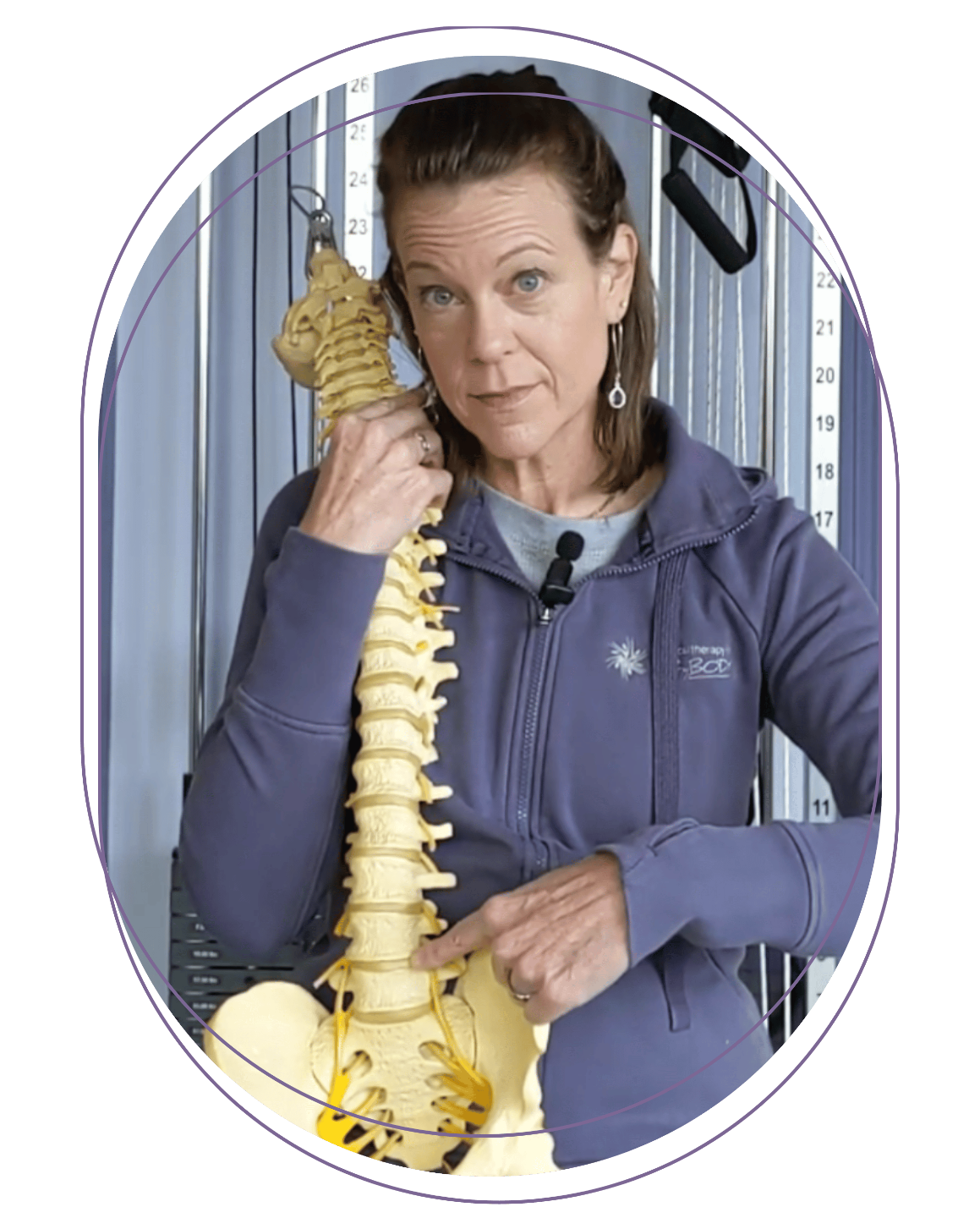
Dr. Amy Konvalin developed the Konvalin Method to address complex, misunderstood pain patterns — including pelvic floor dysfunction.
This method focuses on:
- How the pelvis integrates with the rest of the body
- Why symptoms show up during specific activities
- How breathing, posture, and movement influence pelvic function
- Identifying compensation patterns that keep symptoms alive
The goal is not blame or quick fixes — it is clarity.
Pelvic Pain and Incontinence Are Treatable — and You Deserve Answers
Living with leakage, pelvic pain, or fear around intimacy is not something you have to accept as your new normal.
When pelvic symptoms are viewed through a whole-body lens, patterns emerge that finally make sense — patterns that explain why symptoms started, why they persist, and why previous advice may not have helped.
You deserve to understand your body.
You deserve accurate information.
And you deserve care that sees the full picture — not just one muscle group.
A Final Thought
Pelvic pain and urinary incontinence are deeply personal — but they are also deeply mechanical, neurological, and connected.
When the body is understood as an integrated system, shame fades, fear softens, and confidence returns.
Movement is life.
And pelvic health is a vital part of living it fully.