
Neck Pain Is Not Something You Have to Accept

A Whole-Body Perspective on Neck Pain with Dr. Amy Konvalin

When Neck Pain Becomes Constant Background Noise
Neck pain has a way of wearing you down.
You may wake up stiff and sore, struggle to get comfortable at night, or feel pain creep into your shoulders, upper back, or even your head. You may have tried resting, changing pillows, or taking medication — only to realize the relief never lasts.
Many people with neck pain feel unheard. They’ve seen providers, followed instructions, and still don’t know what actually caused the problem or why it keeps coming back.
Over time, it’s easy to start believing this is just part of aging — something you’ll always have to manage rather than resolve.
But that belief is rarely accurate.

Why Neck Pain Is So Often Misunderstood
Neck pain is frequently treated as a local issue — something happening only in the cervical spine.
In reality, neck pain is often influenced by:
- Shoulder mechanics
- Thoracic spine mobility
- Postural habits
- Breathing patterns
- Nervous system sensitivity
- Old injuries that changed how you move
When care focuses only on the painful spot, the deeper contributors are often missed.
This is why imaging, medication, or rest alone rarely provide lasting answers.
Why Medication, Rest, or Imaging Often Fall Short
Many people with neck pain follow a familiar path:
- Pain medication or muscle relaxers
- Temporary relief
- Persistent symptoms
- Imaging that shows “degeneration” or “arthritis”
- Conversations that quickly turn toward injections or surgery
What is often missing is context.
Imaging findings can be normal age-related changes. Pain levels do not always reflect tissue damage. And rest may calm symptoms briefly while allowing faulty movement patterns to persist.
Without understanding how your neck is being stressed day after day, treatment stays incomplete.
Why Neck Pain Often Doesn’t Go Away
If your neck pain lingers or keeps returning, there is usually an explanation.
Common experiences include:
- Short-term improvement followed by flare-ups
- Pain that spreads into the shoulders, arms, or head
- Exercises that help others but aggravate you
- Treatments that feel good temporarily but don’t last
Neck pain is highly individual. Two people with similar symptoms may have completely different movement patterns driving their pain.
This is why protocol-based care so often fails.
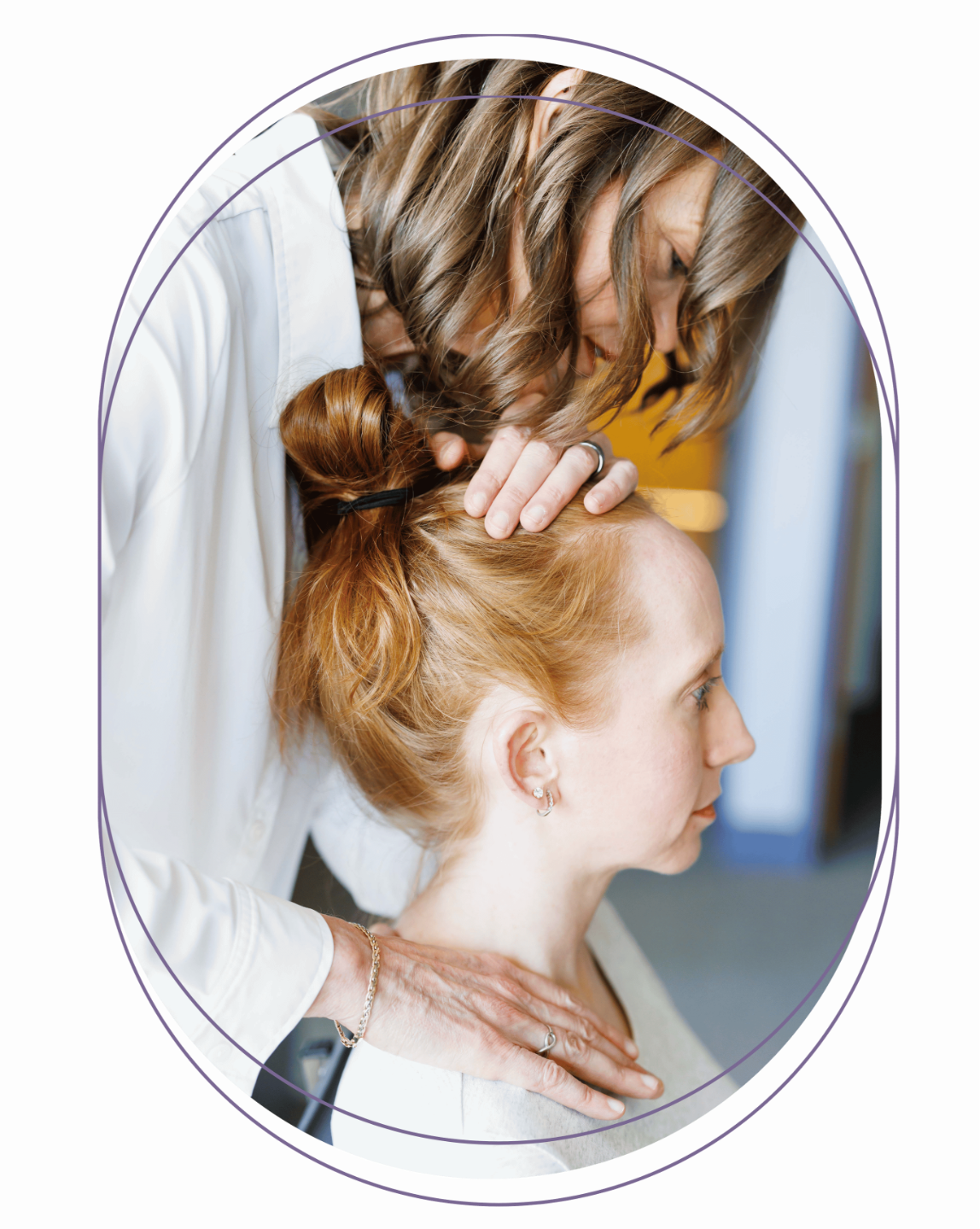
The Konvalin Method: Understanding the Root Cause of Neck Pain
Dr. Amy Konvalin developed the Konvalin Method after years of watching people struggle despite doing “everything right.”
This approach focuses on:
- Identifying movement patterns that overload the neck
- Understanding how the neck interacts with the shoulders, spine, and pelvis
- Recognizing compensation patterns that develop over time
- Treating the body as an integrated system rather than isolated parts
The goal is not chasing pain — it is understanding why the pain exists.

Why Surgery Is Often Discussed Too Early
When neck pain doesn’t improve, surgery is sometimes presented as the next step — even when symptoms fluctuate or imaging doesn’t clearly match the pain.
This often happens when:
- Structural findings are emphasized without movement assessment
- Pain is treated instead of patterns
- The nervous system’s adaptability is underestimated
While surgery is appropriate in specific situations, many people are never told whether their neck pain is truly structural — or functional and pattern-driven.
That distinction matters.
A Final Thought on Neck Pain
Living with chronic neck pain is exhausting — physically and mentally.
But persistent neck pain is not a personal failure. And it is not something you simply have to accept as part of life.
When the body is evaluated as a connected system, patterns begin to make sense. And when patterns make sense, fear is replaced with clarity.
Movement is life.
And understanding how your body moves is often the key to changing how it feels.
Work With Dr. Amy